Starlink Kenya Packages have become one of the most searched internet topics for homes, businesses, schools, farms, lodges, construction sites, NGOs, and remote offices that need dependable connectivity beyond ordinary fibre and mobile network coverage. In Kenya, many buyers are not only asking how much Starlink costs; they are asking which package fits their address, how the equipment works, what monthly plan makes sense, whether a portable kit is better than a fixed kit, and how professional installation affects long-term performance. This guide explains the main Starlink Kenya packages in practical language so that a household in Kiambu, a farm in Laikipia, a camp in Samburu, a business in Nairobi, or a field team moving across counties can compare options with confidence.
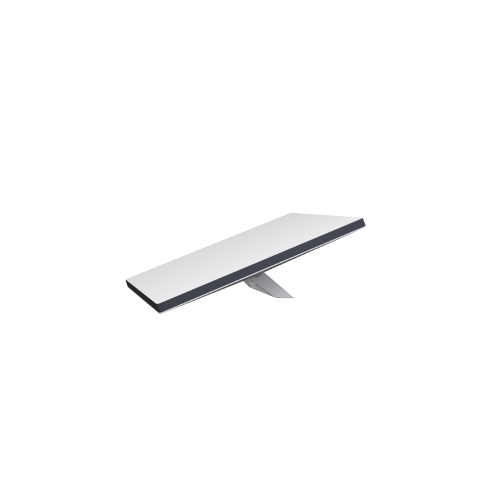
Before choosing a package, it helps to understand what a Starlink package usually includes. A complete purchase has two parts: the hardware kit and the monthly service plan. The kit is the physical equipment: the Starlink antenna, router or integrated Wi-Fi components, cable, power supply, and mounting accessories depending on the model. The monthly plan is the service subscription that determines where the kit can be used, how traffic is prioritised on the network, and whether the service is fixed at one location or suitable for movement. A low hardware price is not enough by itself, and a high monthly plan may not be necessary for every user. The best package is the one that matches location, number of users, type of work, data demand, mobility, and installation environment.
What Makes Starlink Packages Different in Kenya?
Starlink is not packaged like traditional fibre, where the main difference is often a simple speed tier. Starlink packages differ by use case. Residential packages are built for fixed homes and offices. Roam packages are built for portability and travel. Mini packages focus on a smaller, easier-to-carry kit. Business and priority options are designed for organisations that need stronger reliability, better traffic priority, and support for heavier workloads. This is why two customers can own similar Starlink hardware but have different monthly experiences. One may use the service at a permanent home address, while another may move between job sites or tourism properties. The package determines the rules.
Kenyan customers should also think about the local environment. A Starlink installation in a leafy suburb has different needs from one in a windy coastal area, a dusty rural site, or a lodge with guest Wi-Fi spread across several buildings. Roof height, cable routing, obstruction from trees, security of the mount, backup power, and internal network design can all affect the final experience. A package is not only a product name; it is the full connectivity setup that turns the satellite signal into useful internet for real users.
For customers comparing suppliers, it is useful to review several Kenyan Starlink resources before making a decision. You can compare local installation and product guidance at SpaceLink Kenya, explore installation support from Starlink Kenya Installers, and view Starlink products and information from Starlink Kenya. These links are useful because buyers often need product availability, installation advice, and after-sales support, not just a plan name.
Residential Starlink Kenya Packages
The residential package is the most common starting point for Kenyan households. It is designed for a fixed address and suits families that stream video, work from home, attend online classes, make video calls, run smart devices, and need reliable internet in areas where fibre is unavailable or inconsistent. Residential Starlink works well for suburban homes, rural homesteads, apartments with clear sky access, small offices operating from home, and family compounds where the connection can be extended carefully through a proper Wi-Fi network.

The biggest advantage of a residential package is predictability. The service is intended to stay at a registered location, so it is ideal for homes that do not need to move the kit often. For many Kenyan households, this is the right balance between performance and simplicity. Users can place the antenna in an open area, secure it on a roof or pole, connect the router, and build a home network around it. If the home has thick walls or several floors, mesh nodes or extra access points may be needed so that the Starlink connection reaches bedrooms, living rooms, kitchens, home offices, and outdoor spaces.
A residential package is not automatically the best choice for everyone. If the customer plans to travel with the kit, use it on construction projects, support mobile teams, or move between properties, a fixed package can become limiting. If the location has heavy tree cover or no practical mounting point, professional site assessment is important before purchase. A strong Starlink package can perform poorly if the dish is blocked by branches, metal roofing, water tanks, high walls, or neighbouring buildings. For residential users, the best investment is often a stable mount and clean cable route rather than unnecessary add-ons.
Residential Lite and Lower-Cost Home Use
Residential Lite or similar lower-cost residential options are designed for lighter home internet use where the customer wants Starlink coverage but does not expect heavy data demand every hour of the day. This type of plan can suit small households, students, occasional remote workers, backup internet users, or homes that mainly browse, message, email, stream in moderation, and run a few devices at a time. It is attractive because many Kenyan customers want satellite internet but still need to control monthly spending.
The tradeoff is that lighter residential plans may receive lower network priority than standard residential service in busy periods. That does not mean the plan is unusable; it means customers should choose it with realistic expectations. If a home has five people streaming, gaming, uploading large files, and attending video meetings at the same time, a lighter plan may feel stretched. If the home mainly needs steady connectivity for communication, research, learning, light entertainment, and occasional office work, the lower-cost option may be enough. Package selection should be based on behaviour, not only price.
For SEO and customer education, the phrase Starlink Kenya packages often attracts buyers who are still early in the decision process. These buyers may not know the difference between equipment, installation, and monthly subscription. A good adviser should explain that a cheaper plan can be smart when the user profile is light, but poor value when the household actually needs stronger priority. The lowest monthly cost is not always the lowest total cost if the customer later has to change plans, upgrade equipment placement, or redesign Wi-Fi coverage.
Starlink Mini KIT Package
The Starlink Mini KIT is one of the most interesting packages for Kenya because it is compact, portable, and easier to carry than the larger standard kit. It is especially relevant for travellers, small field teams, digital workers, photographers, journalists, researchers, road trip users, remote camps, and customers who want a simple setup that can be packed and moved. The Mini kit is not just a smaller dish; it changes how customers think about satellite internet because it can support internet access in places where carrying a full installation kit would be inconvenient.
In Kenya, the Mini package can be useful for safari operators, county field officers, NGO teams, mobile clinics, event crews, contractors, and individuals who spend time away from fibre coverage. A user can set it up at a temporary location with a clear view of the sky, connect devices, complete work, and pack it again. This flexibility is valuable, but it also means the buyer must choose the right service plan. Some Mini users need a Roam-style plan rather than a fixed residential plan, depending on how and where they use it.
The Mini KIT is best for portability and convenience. It may not be the best primary package for a large office with dozens of users, heavy CCTV uploads, guest Wi-Fi, or demanding cloud systems. For those environments, a standard or business package with professional networking equipment will usually be more appropriate. The Mini shines when the customer values mobility, fast setup, compact storage, and personal or small-team connectivity. For many Kenyan users, that is exactly the gap it fills.
Standard Starlink Kit and Version 4 Packages
The standard Starlink kit remains a strong option for customers who want a permanent or semi-permanent installation with solid coverage for homes, offices, lodges, farms, and small institutions. The newer generation hardware, often referred to by customers as Version 4 or Gen 3 depending on the market and supplier description, is popular because buyers associate it with improved router performance, simpler setup, and a modern hardware design. For many Kenyan customers asking about Starlink Kenya packages, this standard kit is the default choice because it balances cost, performance, and everyday practicality.

A standard kit package should be considered where the service will stay in one place for a long time. It works well on roof mounts, wall mounts, pole mounts, and custom brackets where the antenna has a clear sky view. A proper standard kit installation usually includes choosing a mounting point, checking for obstructions, securing the cable, protecting the cable route, placing the router in a sensible indoor position, and testing Wi-Fi performance in the rooms where people actually work. Without that process, a strong satellite connection can still result in weak indoor Wi-Fi.
Customers often ask whether they should buy the Mini or the standard kit. The answer depends on use. If the connection is for a permanent home, office, school, shop, or lodge, the standard kit is usually the safer package. If the connection needs to travel, the Mini is attractive. If the site has many users, the standard kit combined with proper routers and access points is usually easier to scale. If the user wants a compact personal internet option, the Mini may be enough. The package should follow the job.
Roam and Mobile Starlink Packages
Roam packages are designed for people who need Starlink away from a single fixed service address. In Kenya, this is important because many professionals and businesses work across counties. A contractor may move from Nairobi to Nakuru to Kisumu. A tour operator may need internet in camps and transit points. A field research team may spend one week in Marsabit and the next in Turkana. A family may want internet while travelling to rural homes or holiday locations. Roam packages support this kind of movement better than a fixed residential package.

The main benefit of Roam is flexibility. The user can take the kit to different supported areas and get online where there is a clear view of the sky. The tradeoff is that mobile or roam traffic can be treated differently from fixed residential or priority traffic, especially when the network is busy. A customer who needs the best possible performance at one permanent location may prefer residential or business options. A customer who values movement and convenience may accept that tradeoff because mobility is the main requirement.
Roam packages should be planned carefully for power, weather protection, packing, security, and quick setup. A field user may need a protective case, a portable power solution, surge protection, waterproof cable management, and a routine for checking obstructions at each new site. A car-based or camp-based setup also needs a practical Wi-Fi plan. The Starlink signal gets the internet to the site, but local Wi-Fi determines whether users can actually connect from tents, offices, vehicles, cabins, or workstations.
Business and Priority Starlink Packages
Business and priority packages are for organisations that need a stronger connectivity plan than ordinary household use. These can include hotels, lodges, warehouses, farms with IoT systems, schools, clinics, county offices, media teams, manufacturing sites, logistics yards, and organisations that depend on video meetings, cloud systems, payment platforms, backups, and guest access. The business case is not simply higher speed; it is continuity, priority, and a better-designed network around the Starlink connection.

A business package should be evaluated with a network design mindset. How many users are online at peak time? Are there guest users? Are there point-of-sale machines? Is CCTV uploading to the cloud? Are staff using VPNs? Does the business need separate networks for guests and internal systems? Is there a backup internet link? Does the site need coverage across multiple buildings? These questions determine whether a simple kit is enough or whether the business needs routers, managed switches, access points, VLANs, bandwidth controls, and failover.
For a hotel or lodge, Starlink can be a major guest experience upgrade, but only if the internal distribution is planned well. A single router in reception will not cover cottages spread across a large property. For a school, the package may need content filtering and classroom coverage. For a farm, it may need long-range wireless links to offices, staff housing, security posts, and operations buildings. For a clinic, uptime and power backup may matter more than peak download speed. The package name starts the conversation; the site design completes it.
How to Choose the Right Starlink Kenya Package
Start with the location. If the internet will be used at one fixed home or office, residential or business packages are usually the first options to compare. If it will move often, Roam or Mini-based packages become more relevant. Then consider the number of users. A single remote worker has different needs from a family of six, a 20-room lodge, or an office with 30 staff. Next, look at the tasks. Browsing and messaging are light. HD streaming, video conferencing, large file uploads, cloud backup, CCTV, gaming, and guest Wi-Fi are heavier. Finally, think about reliability. If the connection supports income, safety, operations, or customer experience, it deserves better installation and network planning.
Budget should be evaluated across the whole year, not just the first payment. Hardware, mounts, installation labour, extra cable management, routers, mesh Wi-Fi, surge protection, monthly subscription, and power backup all contribute to the true package cost. A buyer who only compares dish prices may later discover that the site still needs a roof mount, a pole, conduit, trunking, outdoor access points, or a UPS. A well-planned package prevents surprise expenses and reduces downtime.
Another important factor is obstruction. Starlink needs a clear sky view. Trees, tall buildings, water tanks, hillsides, and roof structures can interrupt the signal. A customer in a rural area with open sky may get excellent performance from a simple installation. A customer in a leafy compound may need a higher pole or careful positioning. A customer in an apartment may need permission from the property manager. The best package for an obstructed site may include more installation work than the hardware listing suggests.
Installation Considerations for Starlink Packages
Installation quality has a direct effect on the value of any Starlink package. A good installation begins with a site survey. The installer checks the sky view, roof access, cable route, router location, power source, safety, grounding, and Wi-Fi coverage goals. The antenna should be mounted where it is stable and secure. The cable should avoid sharp bends, standing water, heat damage, and casual foot traffic. The router should be placed where it can serve the building or connect cleanly to a stronger network system.
In Kenya, many sites need practical installation decisions. Coastal properties need corrosion-aware mounting. Farms need dust and weather protection. Lodges need discreet equipment placement that does not affect guest aesthetics. Urban homes may need landlord approval. Tall buildings may need professional safety equipment. Remote sites may need backup power because even the best Starlink package cannot work when the power is off. A package should therefore be sold and installed as a working system, not just a box.
For larger properties, Starlink should feed a planned local network. That may include outdoor access points, indoor ceiling access points, point-to-point wireless bridges, Ethernet cabling, managed routers, and separate guest networks. Without this, users may blame Starlink for problems that are actually caused by poor Wi-Fi distribution. A correct package recommendation includes both the satellite plan and the local network design required to make it useful.
Common Mistakes When Buying Starlink in Kenya
The first mistake is choosing the cheapest package without understanding the use case. A low monthly plan can be excellent for light use, but frustrating for heavy users. The second mistake is buying a portable package for a permanent business site that needs stronger priority. The third mistake is ignoring mounting. A dish placed on the ground for testing may work, but long-term service needs a secure and clear position. The fourth mistake is expecting one router to cover an entire compound. The fifth mistake is failing to plan for power backup in areas with outages.
Another mistake is assuming every Starlink seller offers the same support. Customers should ask whether the supplier can advise on package selection, installation, relocation, Wi-Fi extension, troubleshooting, and future upgrades. The links included earlier are useful starting points because Kenyan buyers often need local support after purchase. When a connection supports work, learning, guests, or business operations, after-sales service matters almost as much as the package itself.
Best Package by User Type
For a family home, the standard residential package with a properly mounted standard kit is usually the most sensible starting point. For a light-use home, a lower-cost residential option may be enough if expectations are realistic. For a traveller, field worker, or small mobile team, the Starlink Mini KIT with an appropriate mobile service plan is attractive. For a business, lodge, school, clinic, or farm operation, a business or priority package should be considered together with professional networking. For backup internet, the right package depends on whether the customer wants fixed standby service or portable emergency connectivity.
The best Starlink Kenya package is the one that answers the real problem. If the problem is no fibre at home, choose fixed residential. If the problem is internet while moving, choose portable or Roam options. If the problem is keeping a business online, choose a stronger plan and design the network. If the problem is guest Wi-Fi across a property, plan distribution. If the problem is emergency connectivity, think about power and portability. Matching the problem to the package is the difference between a satisfied customer and an expensive mismatch.
Frequently Asked Questions About Starlink Kenya Packages
Which Starlink package is best for a home in Kenya? For most fixed homes, a residential package with a standard kit is the easiest recommendation because it is built around a stable service address and everyday household use. Homes with lighter use can consider lower-cost residential options, while homes with many users should think about stronger Wi-Fi distribution. The key is to match the plan to the number of devices, streaming habits, video calls, school work, and whether the home has a clear mounting point.
Which package is best for travel or field work? Travellers and field teams should compare Roam and Mini options because mobility is the main requirement. The Mini kit is compact and practical for temporary locations, while Roam-style service gives the flexibility needed away from one fixed address. Users should still plan for power, safe transport, weather protection, and quick obstruction checks at each site. Portable internet works best when the team has a repeatable setup process.
Can a business use an ordinary residential package? Some small businesses can start with residential service when the connection is at a fixed location and the workload is modest. However, businesses that depend heavily on internet, host guests, run cloud systems, process payments, upload CCTV, or need higher reliability should compare business and priority packages. They should also invest in professional routing, access points, guest networks, surge protection, and backup power. Business performance depends on the whole network, not only the Starlink dish.
Do Starlink packages include installation? The service package and hardware kit do not automatically solve installation. Some sellers may bundle installation, while others sell hardware separately. Customers should ask what is included: site survey, mounting bracket, pole, cable routing, router placement, Wi-Fi testing, travel cost, and support after installation. A clear quote avoids confusion and helps the customer compare offers fairly.
How should customers compare package prices? Compare total cost, not just the monthly figure or equipment price. Include hardware, monthly service, installation labour, mounts, extra networking equipment, mesh nodes, outdoor access points, backup power, and future support. A package with a slightly higher upfront cost may be better value if it is installed cleanly and performs reliably for years. The cheapest quote can become expensive if it leads to poor mounting, weak Wi-Fi, or repeated troubleshooting.
Final Thoughts on Starlink Kenya Packages
Starlink Kenya Packages give customers more choice than traditional internet options, especially in areas where fibre is unavailable, mobile data is unstable, or businesses need a resilient connection. The main options can be understood as fixed residential, lighter residential, portable Mini, Roam, and business or priority packages. Each has a place. None is perfect for every customer. The right decision depends on location, mobility, number of users, workload, budget, installation conditions, and support expectations.
Customers comparing packages should avoid rushing the purchase. Start with the site and the use case. Decide whether the connection is fixed or mobile. Estimate the number of users and the most demanding tasks. Check sky visibility. Plan mounting and power. Decide whether ordinary Wi-Fi is enough or whether the property needs a proper network. Then compare hardware and monthly plans. When these steps are followed, Starlink can become a dependable internet solution for Kenyan homes, businesses, travellers, farms, schools, lodges, and remote projects.
For anyone ready to compare options, the most practical next step is to speak with a Kenyan Starlink supplier or installer who can translate package names into a real site plan. Review product and installation guidance from https://spacelinkkenya.co.ke/, installation services at https://starlinkkenyainstallers.co.ke/, and available Starlink Kenya information at https://starlinkkenya.co.ke/. Used together, these resources can help customers choose a package that is not only affordable, but actually suitable for the way they live and work.