11 Ultimate Starlink Low Orbit Upgrades 2026
Starlink Low Orbit Upgrades 2026: The Next Evolution of Satellite Internet in Kenya
Satellite internet in Kenya has evolved rapidly over the past few years, and low Earth orbit (LEO) technology has played a major role in that transformation. As digital demand increases across homes, schools, farms, and businesses, reliable high-speed connectivity is no longer optional — it is essential infrastructure.
Starlink’s low orbit satellite network has already reshaped how remote and urban regions access the internet. Unlike traditional satellite systems, its closer orbital positioning delivers significantly lower latency and higher speeds, making it practical for modern online applications such as cloud computing, video conferencing, and streaming.
Now, with the upcoming Starlink Low Orbit Upgrades 2026, Kenya is poised to experience even greater performance improvements. This article explores what these upgrades involve, how they impact users locally, and why they matter for the country’s digital future.
1. Understanding Low Earth Orbit (LEO) Satellite Technology

Low Earth Orbit (LEO) satellite technology represents one of the most significant advancements in modern internet infrastructure. Unlike traditional satellite systems that operate far from the Earth’s surface, LEO satellites orbit much closer, dramatically improving communication performance. This shift has redefined what satellite internet can deliver — transforming it from a last-resort rural option into a high-performance alternative capable of supporting streaming, remote work, online education, and cloud-based business tools.
The global expansion of LEO networks, led by companies such as SpaceX through its Starlink service, is changing how countries like Kenya approach digital connectivity. Instead of depending solely on fiber infrastructure concentrated in urban areas, satellite constellations now provide nationwide coverage — including remote counties where cable deployment is costly or impractical.
Understanding how LEO works — and why it performs better than older satellite systems — helps explain why Starlink’s low orbit upgrades in 2026 are such a major development for Kenyan internet users.
1.1 Difference Between LEO and Geostationary Satellites
Traditional satellite internet relied heavily on Geostationary Earth Orbit (GEO) satellites. These satellites orbit approximately 35,786 kilometers above Earth and remain fixed over one position. Because they stay stationary relative to the ground, a single satellite can cover a very large geographic area.
However, the distance creates a major drawback: long signal travel time.
Here’s how the two compare:
| Feature | LEO Satellites | GEO Satellites |
|---|---|---|
| Orbit Altitude | 500–2,000 km | 35,786 km |
| Signal Travel Distance | Short | Very Long |
| Latency | 20–40 ms (approx.) | 600+ ms |
| Coverage Model | Constellation (many satellites) | Few large satellites |
| Performance | High-speed, low-latency | High latency, slower response |
Because GEO satellites are so far away, data must travel thousands of extra kilometers before returning to the user. This delay is noticeable during video calls, gaming, and any real-time online activity.
LEO satellites, on the other hand, orbit much closer to Earth. Instead of one large stationary satellite, networks like Starlink use thousands of smaller satellites moving rapidly in coordinated constellations. As one satellite moves out of range, another seamlessly takes over. This creates continuous coverage with dramatically improved responsiveness.
For Kenyan users — especially businesses in Nairobi, Mombasa, Kisumu, Eldoret, and remote counties — this difference directly affects user experience.
1.2 Why Lower Orbit Means Faster Internet
The closer a satellite is to Earth, the shorter the distance data must travel. This reduction in physical distance translates directly into:
-
Faster response times
-
Higher throughput efficiency
-
More stable connections
Think of it like this: sending data to a GEO satellite is like shouting across a vast valley and waiting for the echo to return. With LEO, it’s like speaking to someone standing across the room. The communication loop is dramatically shorter.
In technical terms:
-
Signal propagation delay decreases
-
Round-trip time (RTT) improves
-
Packet retransmissions reduce
-
Congestion handling becomes more efficient
Because LEO satellites move in coordinated constellations, they also distribute network load more effectively. Instead of relying on one large satellite serving an entire continent, traffic is balanced across many satellites. This improves bandwidth availability during peak usage hours.
For Kenya — where internet demand spikes in the evening due to streaming, social media, online business systems, and digital education — this distributed architecture is especially important.
Lower orbit doesn’t just mean “closer.” It means smarter network performance designed for modern digital demands.
1.3 How LEO Reduces Latency for Kenyan Users
Latency refers to the time it takes for data to travel from your device to the internet server and back. It is measured in milliseconds (ms). The lower the number, the more responsive your connection feels.
With traditional GEO satellite internet, latency often exceeded 600 milliseconds. That level of delay makes real-time applications frustrating:
-
Video calls feel out of sync
-
Online games lag
-
Remote work tools delay responses
-
Cloud-based software slows down
LEO technology reduces latency significantly — often to levels comparable to some terrestrial broadband systems.
For Kenyan users, this improvement has major practical implications:
Remote Work & Business Operations
Companies using cloud accounting, CRM systems, and video conferencing benefit from faster response times and smoother collaboration.
Online Learning
Students attending virtual classes experience fewer interruptions and clearer communication with instructors.
Financial Services & Mobile Payments
Faster data exchange supports seamless transaction processing, especially in digital-first economies.
Rural Innovation
Counties without fiber infrastructure can now access responsive internet that supports e-commerce, digital farming tools, and telemedicine.
The reduced latency is not just a technical specification — it is what transforms satellite internet from a backup solution into a primary connectivity option.
Why This Matters for Starlink Low Orbit Upgrades 2026
As satellite constellations expand and technology improves, latency and speed will continue to improve even further. The 2026 upgrades are expected to enhance network density, routing intelligence, and inter-satellite communication, making performance even more stable across Kenya. With reliable tech platforms like mubaraktech.co.ke, users can easily access modern devices and networking solutions that take full advantage of these advancements in satellite internet technology.
By understanding how LEO technology works today, it becomes easier to appreciate how future upgrades will push connectivity standards even higher, especially when combined with trusted providers like mubaraktech.co.ke that ensure you stay equipped with the latest tech for a faster, smarter digital experience.
2. Evolution of Starlink’s Satellite Constellation

The growth of the Starlink satellite constellation has been one of the fastest and most ambitious space infrastructure projects in history. Developed by SpaceX under the leadership of Elon Musk, the Starlink network was designed to solve a long-standing global problem: delivering high-speed internet to areas where fiber and mobile infrastructure are limited or unavailable.
Unlike traditional satellite systems that rely on a few large satellites, Starlink’s approach involves deploying thousands of small, interconnected satellites in Low Earth Orbit (LEO). These satellites communicate not only with ground stations but increasingly with each other using laser interlinks — creating a space-based mesh network.
Understanding how this constellation evolved helps explain why the 2026 low orbit upgrades represent a natural progression rather than a sudden leap.
2.1 Early Deployment Phases
Starlink’s first launch of operational satellites took place in 2019. These early satellites were proof-of-concept units designed to test orbital positioning, signal stability, and phased-array antenna performance.
The early deployment phase focused on:
-
Validating LEO broadband feasibility
-
Testing user terminals (satellite dishes)
-
Optimizing satellite handoffs between moving units
-
Measuring real-world latency and speed performance
Initial coverage was limited to parts of North America and Europe. However, performance results exceeded expectations, with latency dropping below 40 milliseconds — a dramatic improvement over traditional geostationary systems.
As launch frequency increased, SpaceX began deploying satellites in organized orbital “shells.” Each shell operates at a specific altitude and inclination, ensuring coordinated coverage patterns. This structured layering approach allowed Starlink to scale rapidly without compromising network stability.
By 2022–2023, thousands of satellites were already in orbit, forming the foundation of a truly global internet infrastructure.
2.2 Expansion Across Africa
Africa represented a major opportunity for Starlink due to the continent’s connectivity gap. Many regions, including parts of Kenya, experience limited fiber penetration and inconsistent mobile broadband performance outside urban centers.
Starlink’s entry into African markets marked a turning point. Regulatory approvals began opening doors country by country, and ground station partnerships expanded to support regional traffic routing.
In Kenya, satellite internet adoption accelerated because:
-
Rural counties lacked reliable terrestrial infrastructure
-
Businesses needed stable connectivity for digital growth
-
Educational institutions required dependable online learning access
-
SMEs sought alternatives to congested mobile networks
As more satellites filled African orbital coverage paths, service quality improved. Laser inter-satellite links became particularly important in regions where ground stations were sparse, allowing data to travel across space before reaching a terrestrial gateway.
The expansion phase wasn’t just geographic — it was architectural. The network became more intelligent, more adaptive, and better optimized for diverse climates and terrains.
By 2025, Africa was no longer an experimental region; it became an integrated part of Starlink’s global constellation strategy.
2.3 Network Density Improvements Before 2026
One of the most critical improvements before 2026 has been increased network density. Density refers to how many satellites are available above a specific region at any given time.
Higher density means:
-
Stronger and more consistent signal availability
-
Reduced congestion during peak hours
-
Faster handoffs between satellites
-
Improved bandwidth allocation
As additional launch batches filled orbital shells, Kenya began benefiting from:
-
More overlapping satellite coverage
-
Better performance in high-demand urban areas
-
Stronger resilience during heavy rainfall
-
Lower latency fluctuations
Another key upgrade during this phase was enhanced onboard processing power. Newer-generation satellites carried improved computing systems capable of smarter routing decisions in real time. Combined with laser interlinks, this allowed traffic to bypass congested ground pathways.
Before 2026, these density and routing improvements have already pushed Starlink performance closer to fiber-like responsiveness in many cases.
However, the upcoming 2026 upgrades aim to go even further — expanding orbital layers, refining AI-based routing, and enhancing spectrum efficiency.
Why the Constellation’s Evolution Matters for Kenya
The progression from early experimental deployments to a dense, intelligent global constellation shows a clear pattern: continuous optimization. Kenya’s growing digital economy depends on reliable connectivity, and constellation maturity directly influences service stability.
The more satellites in orbit — and the smarter they become — the more consistent performance users experience on the ground.
3. What’s New in Starlink Low Orbit Upgrades 2026
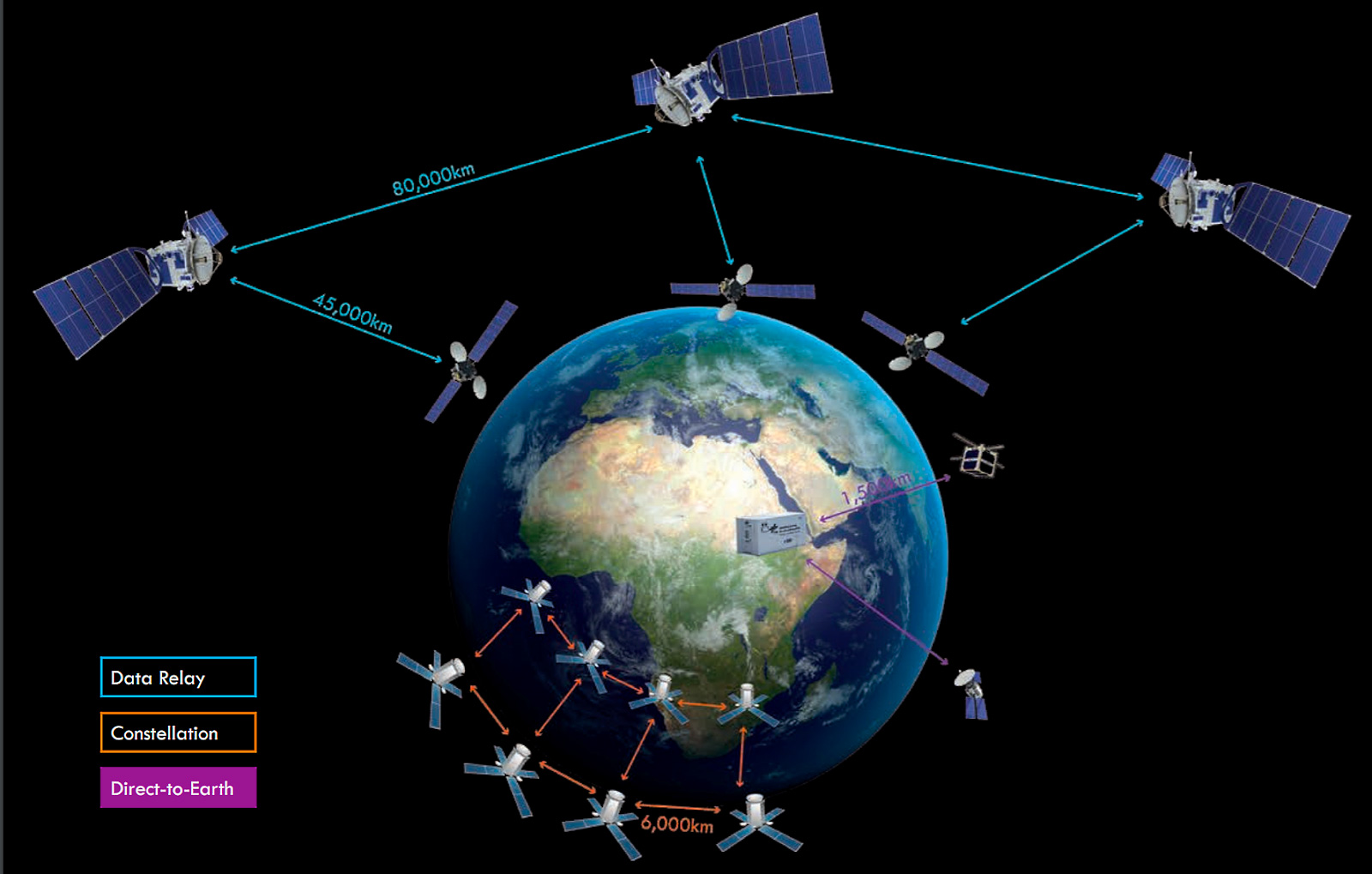
The Starlink Low Orbit Upgrades 2026 represent a major technical leap forward in satellite broadband performance. While earlier phases focused on deployment and coverage expansion, the 2026 upgrades concentrate on capacity, intelligence, and efficiency. These enhancements aim to deliver higher speeds, lower latency stability, and improved reliability — especially in growing markets like Kenya.
Led by SpaceX through its global satellite network Starlink, the 2026 improvements are not a single update but a combination of hardware advancements, increased launch cadence, smarter routing systems, and stronger ground infrastructure integration across Africa.
Below is a detailed breakdown of what’s changing.
3.1 Next-Generation Satellite Hardware
The 2026 upgrades introduce enhanced satellite units, often associated with the evolution toward Starlink’s V2 and next-generation variants. These newer satellites are significantly more capable than earlier versions.
Key hardware improvements include:
Higher Throughput Capacity
New satellites are designed to handle more data simultaneously. This increases the total available bandwidth per region, reducing congestion during peak hours.
Improved Phased-Array Antennas
Upgraded beamforming systems allow satellites to direct signal beams more precisely. This results in stronger signal quality, better performance in dense urban areas, and improved stability during adverse weather conditions.
Advanced Laser Inter-Satellite Links
Laser communication between satellites enables data to travel in space without always depending on ground stations. This reduces routing delays and improves global traffic flow efficiency.
More Efficient Power Systems
Improved solar array designs and onboard power management allow satellites to maintain consistent performance while supporting higher data loads.
For Kenyan users, this means smoother streaming, more stable video conferencing, and better performance for businesses operating cloud-based systems.
3.2 Increased Satellite Launch Frequency
One of the most impactful changes leading into 2026 is the acceleration of launch schedules. Using reusable rockets such as the Falcon 9, SpaceX has dramatically reduced launch costs and increased deployment speed.
Higher launch frequency results in:
-
Faster orbital shell completion
-
Higher satellite density over populated regions
-
Shorter service gaps during satellite replacements
-
Increased total network capacity
For Kenya, increased density translates to:
-
Reduced evening congestion
-
More stable connections in high-demand cities
-
Improved redundancy during heavy network usage
As more satellites are positioned in optimized orbital layers, the handoff between satellites becomes faster and more seamless. This minimizes micro-interruptions and stabilizes real-time applications such as VoIP calls and remote work platforms.
In short, more satellites in orbit mean more bandwidth per user.
3.3 Enhanced AI Traffic Routing Capabilities
One of the most transformative aspects of the 2026 upgrades is the integration of smarter, AI-driven traffic management systems.
Traditional routing systems respond to congestion after it occurs. The upgraded Starlink architecture uses predictive algorithms that:
-
Monitor real-time network load
-
Anticipate congestion patterns
-
Automatically redirect traffic through optimal paths
-
Balance bandwidth dynamically across satellites
This intelligent routing significantly improves:
-
Latency consistency
-
Packet delivery reliability
-
Network stability during peak demand
For Kenyan businesses operating online platforms, fintech systems, and cloud applications, this means fewer disruptions and more predictable performance.
AI routing also works hand-in-hand with laser inter-satellite links. Instead of sending data down to a congested ground station, traffic can be routed across multiple satellites in space before reaching a less busy gateway. This space-based rerouting enhances overall efficiency.
The result is not just faster internet — but smarter internet.
3.4 Improved Ground Station Integration in Africa
While satellite communication happens in orbit, ground stations remain a critical part of the infrastructure. These stations connect satellite traffic to terrestrial fiber backbones and global internet exchanges.
The 2026 upgrades emphasize:
Expanded African Gateway Presence
Additional ground station partnerships across Africa reduce dependence on distant international routing points.
Optimized Traffic Localization
More regional gateways mean African data can remain within the continent instead of being routed through Europe or other regions unnecessarily.
Improved Redundancy
Multiple interconnected gateways reduce the risk of outages if one facility experiences technical issues.
For Kenya, stronger African integration leads to:
-
Faster access to regional servers
-
Lower routing latency
-
Greater reliability during global traffic surges
As the constellation matures and ground integration strengthens, Starlink’s network becomes less reliant on single routing paths and more resilient overall.
Why These 2026 Upgrades Matter for Kenya
The combination of advanced hardware, more frequent launches, intelligent routing, and improved ground integration creates a compounding effect:
-
Higher speeds
-
Lower and more stable latency
-
Reduced congestion
-
Better resilience in varied weather conditions
-
Stronger performance in both rural and urban areas
These upgrades are not incremental tweaks — they represent structural improvements to how satellite internet operates at scale.
4. Speed Enhancements Expected in 2026

Speed is one of the most important performance indicators for any internet service — and it is where the Starlink Low Orbit Upgrades 2026 are expected to make a noticeable impact. As the Starlink constellation expands and next-generation satellites increase total bandwidth capacity, users in Kenya can anticipate measurable improvements in both download and upload performance.
While actual speeds always vary depending on location, user density, and environmental factors, the structural upgrades introduced by SpaceX are designed to increase overall network throughput and reduce performance bottlenecks.
Below is a breakdown of what these enhancements mean in practical terms.
4.1 Projected Download Speeds
Download speed determines how quickly users can access websites, stream videos, download files, and load cloud-based platforms. It is the most visible measure of internet performance for everyday users.
With increased satellite density and improved onboard bandwidth handling, projected download speeds in 2026 are expected to:
-
Maintain consistent triple-digit Mbps performance in many regions
-
Improve peak-hour stability
-
Reduce speed drops during congestion
In Kenya, this translates to:
-
Seamless 4K and potentially 8K streaming
-
Faster file downloads for businesses
-
Improved responsiveness for cloud software
-
Smoother browsing even during evening demand spikes
The expansion of orbital shells ensures more satellites are visible above a given region at any time. This increased availability allows traffic to distribute more evenly, preventing overload on individual satellites.
As AI traffic routing systems mature, download speeds are expected to become not just faster — but more consistent across time periods.
4.2 Upload Speed Improvements
Upload speeds are often overlooked but are critical for modern digital activities. Video conferencing, cloud backups, content creation, live streaming, and business data synchronization all rely heavily on upload performance.
The 2026 upgrades improve upload capacity through:
-
Enhanced satellite uplink channels
-
Improved beamforming precision
-
More efficient spectrum utilization
-
Smarter traffic allocation algorithms
For Kenyan users, improved upload speeds mean:
-
Clearer video calls with fewer interruptions
-
Faster document and media uploads
-
Better performance for remote work tools
-
More reliable livestreaming and online broadcasting
Businesses operating e-commerce platforms, fintech systems, and remote collaboration environments will particularly benefit from these improvements.
Balanced download and upload performance is a sign of a maturing broadband network — and that balance is a key focus in the 2026 enhancements.
4.3 Performance Under Heavy Usage Conditions
One of the biggest historical challenges for satellite internet has been congestion during peak usage hours. Evening streaming, gaming, and business activities can strain bandwidth if network capacity is limited.
The 2026 upgrades address this challenge in three major ways:
1. Increased Satellite Density
More satellites over Kenya mean traffic can spread across multiple nodes rather than concentrating on a few.
2. AI-Based Load Balancing
Smart routing systems predict congestion and shift traffic proactively before slowdowns occur.
3. Improved Ground Station Integration
Better African gateway integration reduces bottlenecks caused by distant routing pathways.
As a result, performance during heavy usage is expected to become significantly more stable. Instead of sharp speed drops in the evening, users may experience more gradual and manageable fluctuations.
For households with multiple devices connected simultaneously — streaming TVs, smartphones, laptops, smart home devices — improved network density ensures better multitasking performance.
For businesses operating critical systems after standard office hours, reliability during peak demand becomes a major advantage.
What These Speed Enhancements Mean for Kenya
Speed improvements are not just about larger numbers on a test screen. They represent:
-
Greater digital productivity
-
Stronger support for remote education
-
Enhanced business scalability
-
More competitive online services
As Kenya continues expanding its digital economy, reliable high-speed connectivity becomes foundational infrastructure. The 2026 upgrades position satellite broadband as a serious competitor to traditional terrestrial networks, especially in areas where fiber expansion remains limited.
5. Latency Reduction and Real-Time Applications

While speed often receives the most attention, latency is what truly determines how responsive your internet feels. Latency refers to the time it takes for data to travel from your device to a server and back — measured in milliseconds (ms). Even if speeds are high, poor latency can make online experiences feel slow, delayed, or unstable.
Thanks to the Low Earth Orbit (LEO) architecture powering Starlink, latency has already dropped significantly compared to traditional satellite systems. With the Starlink Low Orbit Upgrades 2026, further refinements in satellite density, AI routing, and inter-satellite laser links are expected to improve latency stability even more.
For Kenya’s rapidly growing digital economy, these improvements directly affect productivity, education, entertainment, and financial systems.
5.1 Why Latency Matters for Businesses
For businesses, latency is not just a technical metric — it directly impacts operational efficiency.
Modern companies in Nairobi, Mombasa, Kisumu, Eldoret, and across rural counties rely on:
-
Cloud-based accounting software
-
Customer Relationship Management (CRM) systems
-
Video conferencing platforms
-
Real-time inventory systems
-
Online payment processing
High latency can cause:
-
Delayed system responses
-
Video meeting interruptions
-
Slower transaction confirmations
-
Reduced productivity across teams
With reduced latency from LEO satellites, businesses benefit from:
Faster System Response Times
Cloud applications load and update almost instantly.
Improved Video Conferencing Quality
Reduced lag ensures smoother conversations with international partners and remote employees.
Reliable Financial Transactions
Lower latency improves the speed and reliability of digital payment systems, which are critical in Kenya’s mobile-first economy.
As the 2026 upgrades refine routing intelligence and satellite coordination, businesses can expect more stable real-time performance — even during peak hours.
5.2 Impact on Online Gaming and Remote Work
Latency plays a decisive role in interactive online activities.
For online gaming, even small delays can determine outcomes. High latency causes:
-
Character movement delays
-
Input lag
-
Disconnections from multiplayer servers
Lower latency ensures:
-
Faster response to player commands
-
Smoother gameplay
-
Reduced competitive disadvantage
Similarly, remote work depends heavily on low-latency connections.
Professionals working from home in Kenya rely on:
-
Zoom and Microsoft Teams calls
-
Shared cloud documents
-
Remote desktop access
-
Real-time collaboration tools
With reduced latency:
-
Conversations feel natural and uninterrupted
-
Screen sharing becomes smoother
-
File synchronization happens quickly
-
Remote system access feels more responsive
The 2026 improvements in satellite density and AI-driven traffic routing are designed to stabilize latency during busy hours — making satellite internet a more reliable primary option for professionals.
5.3 Benefits for Virtual Learning in Kenya
Education is one of the sectors that benefits most from low-latency internet.
Across Kenya, schools, universities, and training institutions increasingly depend on digital platforms for:
-
Live virtual classes
-
Online examinations
-
Educational video streaming
-
Interactive learning portals
High latency can disrupt virtual lessons by causing:
-
Audio-video sync issues
-
Delayed student responses
-
Interrupted presentations
With improved LEO performance:
Students Participate More Effectively
Real-time Q&A sessions become smoother and more interactive.
Teachers Deliver Lessons Without Disruption
Reduced lag keeps lessons flowing naturally.
Rural Schools Gain Equal Access
Areas without fiber infrastructure can now access responsive internet capable of supporting modern e-learning platforms.
As Starlink’s constellation expands and routing algorithms improve in 2026, virtual learning environments in Kenya stand to become more stable and accessible — bridging digital gaps between urban and rural communities.
Why Latency Reduction Is Central to the 2026 Upgrades
Speed determines how fast data moves. Latency determines how quickly it responds.
The 2026 enhancements aim to:
-
Maintain consistently low latency
-
Reduce latency fluctuations during congestion
-
Improve real-time application performance
-
Enhance routing efficiency across Africa
For Kenya’s digital transformation, latency reduction is not just an improvement — it is a competitive advantage
6. Network Stability and Weather Resistance

For many Kenyan users, one of the biggest concerns about satellite internet is reliability — especially during heavy rainfall seasons and peak evening usage hours. Stability is just as important as speed. A fast connection that frequently drops or fluctuates cannot support modern digital demands.
With the continued evolution of Starlink under SpaceX, network stability has become a core focus. The Starlink Low Orbit Upgrades 2026 aim to strengthen signal optimization, improve weather resilience, and reduce congestion through increased satellite density and smarter traffic management.
Here’s how these improvements matter for Kenya.
6.1 Signal Optimization Technology
Modern LEO satellites use advanced signal processing and beamforming technology to maintain consistent connectivity.
Key optimization features include:
Dynamic Beam Steering
Satellites continuously adjust signal beams to maintain strong connections with user terminals. This ensures stable performance even as satellites move rapidly across the sky.
Adaptive Power Control
Signal strength automatically adjusts based on environmental conditions. If interference increases, the system compensates to maintain connection quality.
Phased-Array User Terminals
Starlink dishes automatically align with the strongest satellite without manual adjustment. This allows seamless satellite handoffs without noticeable interruption.
AI-Driven Routing Adjustments
Traffic is dynamically redirected to less congested satellites or ground stations to maintain performance.
For Kenyan users in urban high-rise environments or rural open landscapes, these technologies ensure more consistent signal strength and fewer micro-disruptions.
6.2 Performance During Heavy Rainfall
Heavy rain has historically affected satellite communication through a phenomenon known as “rain fade,” where water droplets absorb or scatter radio signals.
However, modern LEO systems significantly reduce this impact due to:
-
Shorter signal travel distance (LEO vs GEO)
-
Stronger beam concentration
-
Increased satellite redundancy
-
Faster satellite handoffs
Because LEO satellites orbit much closer to Earth, the signal path is shorter, reducing exposure to atmospheric interference. Additionally, increased satellite density means that if one signal path weakens temporarily, another satellite can quickly take over.
In Kenya — where certain regions experience seasonal heavy rains — this architecture improves service continuity. While extreme storms may still cause brief slowdowns, complete outages are far less common compared to older satellite technologies.
The 2026 upgrades further enhance resilience by increasing network density and improving predictive routing, allowing the system to adapt proactively during adverse weather conditions.
6.3 Reduced Congestion During Peak Hours
Even with strong signal quality, congestion can affect performance if too many users share limited bandwidth.
The 2026 improvements reduce congestion through:
Higher Satellite Density
More satellites overhead distribute user demand across multiple nodes.
Improved Spectrum Efficiency
Enhanced hardware allows better bandwidth allocation.
Smarter Load Balancing Algorithms
AI systems predict peak demand and adjust traffic flow before bottlenecks occur.
For Kenyan households, this means:
-
Stable streaming in the evening
-
Smooth multi-device usage
-
Reliable online gaming
-
Better work-from-home performance
For businesses operating after-hours systems — such as security monitoring, cloud backups, or online customer service — reduced congestion ensures uninterrupted operations.
Why Stability Matters for Kenya’s Digital Growth
Reliable internet is the backbone of digital transformation. Whether supporting rural telemedicine, e-learning platforms, fintech systems, or e-commerce operations, consistency determines user trust.
The Starlink Low Orbit Upgrades 2026 strengthen network resilience by combining:
-
Advanced signal optimization
-
Weather-adaptive technology
-
Increased satellite redundancy
-
Intelligent congestion management
As Kenya continues expanding its digital infrastructure, improved stability ensures satellite broadband can confidently serve as a primary connectivity solution — not just a backup.
7. Coverage Expansion Across Kenya
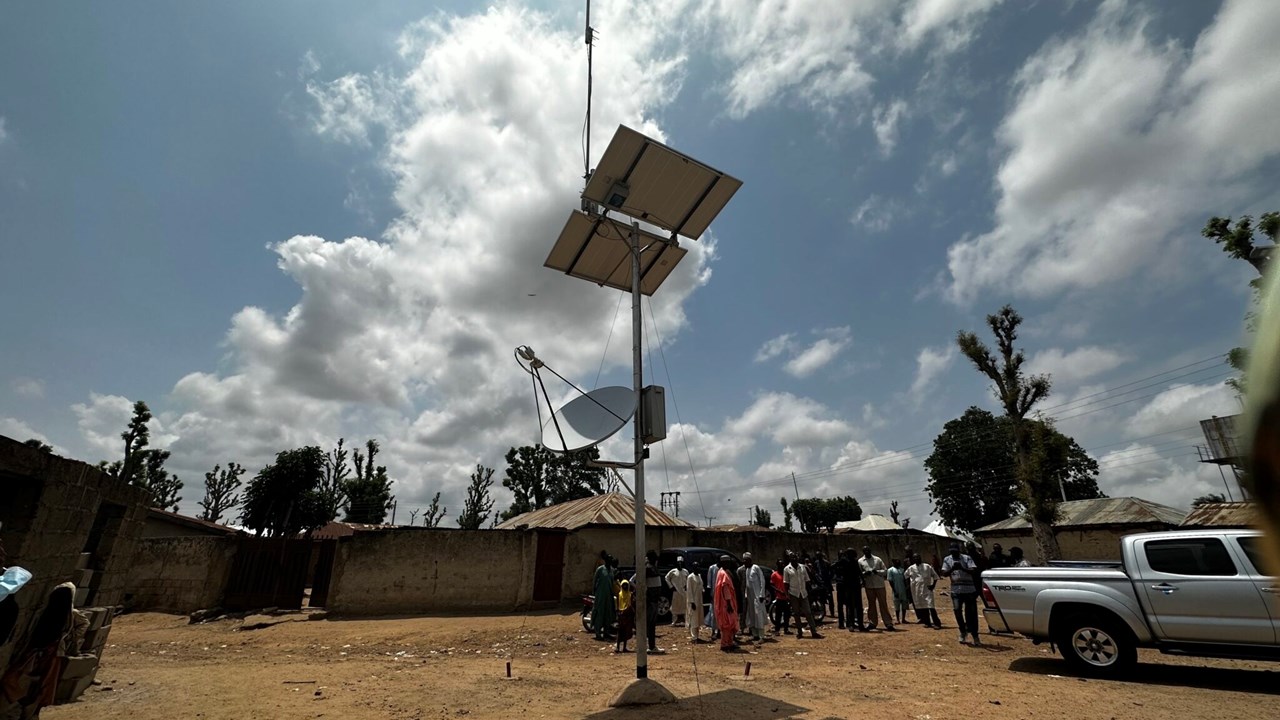
One of the most transformative aspects of the Starlink Low Orbit Upgrades 2026 is expanded and strengthened coverage across Kenya. Unlike fiber infrastructure, which requires extensive ground construction, satellite networks scale by increasing orbital density and improving routing intelligence.
Through the continued expansion of the Starlink constellation by SpaceX, coverage is becoming more consistent across rural, coastal, northern, and urban regions. This is particularly important in a country where geographic diversity — from highlands to arid counties — presents infrastructure challenges.
Below is how the 2026 upgrades enhance accessibility nationwide.
7.1 Rural and Remote Area Connectivity
Large parts of Kenya still lack reliable fiber connectivity. Rural counties often depend on limited mobile broadband coverage, which can fluctuate in speed and stability.
The LEO satellite model addresses this challenge directly.
Nationwide Sky Coverage
Because satellites orbit above the Earth, coverage does not rely on ground cable networks. As long as there is a clear view of the sky, service can be delivered.
Improved Satellite Density
With more satellites positioned in optimized orbital shells, remote areas benefit from stronger and more stable signal availability.
Reduced Infrastructure Barriers
There is no need to wait for fiber trenching or tower construction. Installation requires only the user terminal and proper positioning.
For rural schools, farms, health clinics, lodges, and small businesses, this means:
-
Access to digital education platforms
-
Real-time market pricing tools for farmers
-
Telemedicine connectivity
-
Reliable e-commerce operations
The 2026 upgrades strengthen rural performance by reducing congestion and stabilizing latency — even in sparsely populated regions.
7.2 Coastal and Northern Region Improvements
Kenya’s coastal counties and northern regions often experience connectivity challenges due to terrain, distance from major fiber hubs, and lower infrastructure investment.
Satellite upgrades help address these limitations in several ways:
Improved Orbital Coverage Angles
As constellation density increases, coverage angles improve — reducing potential signal interruptions caused by local obstructions.
Laser Inter-Satellite Links
Data can travel across satellites before reaching a ground station, reducing reliance on distant terrestrial backhaul routes.
Weather-Resilient Signal Optimization
Enhanced beamforming technology improves reliability in coastal regions where humidity and seasonal storms may affect performance.
Northern counties, often characterized by vast open landscapes, benefit particularly well from satellite connectivity because:
-
There are fewer physical obstructions
-
Infrastructure deployment costs are high for fiber
-
Mobility needs (logistics, field operations) require flexible connectivity
By 2026, improved constellation layering is expected to deliver more consistent performance across these regions, narrowing the urban-rural digital divide.
7.3 Urban Backup Internet Advantages
While urban centers like Nairobi, Mombasa, and Kisumu have fiber options, network congestion, outages, and cable damage still occur.
In urban environments, satellite internet offers powerful advantages:
Reliable Backup Connectivity
Businesses can maintain operations during fiber outages.
Reduced Dependency on Single Infrastructure Providers
Diversified connectivity improves operational resilience.
Rapid Deployment for New Developments
New residential or commercial buildings can access high-speed internet without waiting for fiber installation.
Event and Temporary Site Connectivity
Construction sites, events, and pop-up businesses can deploy internet quickly.
With 2026 upgrades increasing bandwidth capacity and stabilizing latency, satellite broadband becomes a stronger primary or failover option for urban users.
For enterprises running mission-critical systems — financial services, logistics platforms, remote servers — redundancy is essential. Satellite connectivity adds a second layer of security against downtime.
What Coverage Expansion Means for Kenya’s Future
Expanded satellite coverage is not just about availability — it’s about opportunity.
The 2026 constellation enhancements help ensure that:
-
Rural communities gain equal digital access
-
Coastal and northern regions improve connectivity reliability
-
Urban businesses strengthen network redundancy
-
National digital inclusion accelerates
By improving density, routing intelligence, and regional integration, the Starlink low orbit upgrades continue to extend high-performance internet beyond traditional infrastructure boundaries.
8. Impact on Kenyan Businesses and Institutions

The Starlink Low Orbit Upgrades 2026 are not just technical improvements — they have real economic implications for Kenya. As connectivity becomes faster, more stable, and more widely available, industries that depend on real-time data and cloud systems can operate more efficiently.
Powered by the expanding constellation of Starlink developed by SpaceX, the next phase of upgrades strengthens Kenya’s digital backbone. From e-commerce platforms to remote hospitals, improved connectivity directly influences productivity, service delivery, and economic inclusion.
Below is how key sectors stand to benefit.
8.1 E-Commerce and Digital Payments
Kenya is one of Africa’s most advanced mobile-first economies. Online marketplaces, digital service platforms, and fintech systems rely heavily on stable, low-latency internet.
Improved satellite performance in 2026 supports:
Faster Online Transactions
Reduced latency ensures payment confirmations happen instantly, improving customer experience.
Reliable E-Commerce Operations
Online stores require stable hosting connections for inventory management, order tracking, and customer communication.
Expanded Rural Participation
Entrepreneurs outside major cities can now operate fully digital businesses without depending solely on inconsistent mobile networks.
Business Continuity During Outages
Urban businesses can use satellite as a backup to prevent downtime during fiber disruptions.
As internet stability improves nationwide, small and medium enterprises (SMEs) gain equal access to national and global markets — accelerating digital entrepreneurship across Kenya.
8.2 Agriculture and Smart Farming
Agriculture remains one of Kenya’s most important economic sectors. Modern farming increasingly depends on real-time data and digital tools.
Enhanced satellite connectivity enables:
Access to Market Pricing Platforms
Farmers can monitor commodity prices and make informed selling decisions.
Weather and Climate Monitoring
Reliable internet supports timely access to forecasting tools.
IoT-Based Farm Monitoring
Smart irrigation systems and remote sensors require consistent connectivity.
Supply Chain Coordination
Exporters and distributors rely on digital logistics tracking systems.
In remote agricultural regions where fiber is unavailable, satellite broadband becomes a practical and scalable solution. The 2026 upgrades improve upload stability and latency, which are critical for transmitting field data and coordinating logistics.
As smart farming adoption grows, connectivity becomes a direct contributor to productivity and food security.
8.3 Educational Institutions and Remote Campuses
Education in Kenya increasingly depends on digital access. Universities, colleges, and secondary schools rely on online research databases, virtual classrooms, and administrative cloud systems.
The 2026 upgrades support:
Stable Virtual Learning Environments
Lower latency ensures real-time interaction between students and instructors.
Access to Global Research Resources
Faster speeds improve access to academic journals and cloud libraries.
Support for Remote Campuses
Institutions located outside major urban centers can maintain consistent internet performance.
Digital Administration Systems
Enrollment, finance, and communication systems operate more efficiently.
By reducing connectivity gaps between urban and rural institutions, improved satellite coverage promotes equal educational opportunity.
8.4 Healthcare and Telemedicine Expansion
Healthcare delivery increasingly integrates digital technology. Telemedicine, remote diagnostics, and digital record systems depend on secure, stable internet connections.
The 2026 network improvements strengthen:
Remote Consultations
Video-based consultations require low latency and consistent upload speeds.
Digital Health Records
Cloud-based patient systems require stable connectivity to avoid data loss or delays.
Rural Clinic Connectivity
Remote facilities without fiber access can maintain reliable communication with referral hospitals.
Emergency Coordination
Real-time communication between facilities improves response times.
For underserved counties, satellite internet can bridge healthcare access gaps by connecting patients to specialists located in major cities.
As Kenya advances digital health initiatives, resilient connectivity becomes essential infrastructure rather than a luxury.
Why Business and Institutional Impact Matters
Connectivity drives economic growth. When businesses operate efficiently, farmers access real-time data, schools connect to global knowledge, and hospitals deliver remote care, the entire national ecosystem benefits.
The Starlink Low Orbit Upgrades 2026 strengthen:
-
Digital inclusion
-
Operational resilience
-
Economic diversification
-
National competitiveness
Improved satellite performance ensures that geography no longer determines opportunity. As Kenya continues building a digital-first economy, stable and intelligent broadband infrastructure plays a foundational role.
9. Installation Considerations for 2026

As the Starlink Low Orbit Upgrades 2026 roll out, many users in Kenya will naturally ask: Do I need new equipment? Will installation change? How can I maximize performance?
The good news is that the upgrades to the Starlink network — developed by SpaceX — are largely focused on satellite constellation improvements, routing intelligence, and backend infrastructure. However, understanding how hardware and installation interact with these upgrades ensures users extract the full benefit of enhanced speeds and stability.
Below are the key considerations for 2026.
9.1 Will Existing Hardware Need Replacement?
For most users, existing hardware will continue to function without mandatory replacement.
Starlink designs its ecosystem to remain backward-compatible wherever possible. This means:
-
Existing user terminals (dishes) will still connect to upgraded satellites.
-
Software updates can unlock performance improvements automatically.
-
Network density improvements benefit all compatible devices.
However, there may be situations where upgrading hardware is beneficial rather than mandatory:
Older Generation Equipment
Early-generation dishes may not fully support the highest throughput capabilities of newer satellites.
High-Demand Users
Businesses requiring maximum bandwidth or advanced networking setups may benefit from updated hardware.
Expanded Feature Support
Future router upgrades (such as enhanced Wi-Fi standards) may improve indoor distribution performance.
For most Kenyan households, performance improvements in 2026 are expected to come primarily from constellation upgrades rather than hardware replacement.
9.2 Software-Based Upgrades vs Hardware Changes
One of the strengths of modern satellite networks is their ability to improve performance through software updates.
Software-Based Improvements Include:
-
AI-driven traffic routing enhancements
-
Latency stabilization algorithms
-
Bandwidth allocation optimization
-
Signal handoff refinements
These updates happen automatically through system firmware upgrades. Users typically do not need to take action beyond ensuring their system remains connected and updated.
Hardware-Based Changes Include:
-
Next-generation user terminals
-
Upgraded routers (e.g., improved Wi-Fi standards)
-
Enhanced mounting systems for improved stability
In many cases, the 2026 performance gains will be a combination of:
-
More satellites in orbit
-
Smarter routing systems
-
Improved spectrum efficiency
This means that even without new hardware, users may notice improved stability and reduced congestion.
For businesses with complex network requirements, consulting professional installers may help determine whether optional hardware upgrades would optimize performance further.
9.3 Optimizing Dish Placement for Maximum Performance
While network upgrades improve overall capacity, proper installation remains critical for achieving peak performance.
Key optimization tips include:
Clear View of the Sky
The dish should have an unobstructed view of the sky, free from trees, buildings, or large metal structures.
Stable Mounting Surface
Secure mounting prevents movement caused by wind, which can affect signal stability.
Proper Elevation
Rooftop installations often provide better line-of-sight access compared to ground-level placement.
Cable Protection
Ensure cables are weather-protected and properly routed to avoid damage.
Router Placement Indoors
For optimal Wi-Fi coverage, place the router centrally within the building and away from thick walls or electronic interference.
In Kenya’s diverse environments — from high-rise apartments in Nairobi to open rural landscapes — installation conditions vary. However, correct positioning ensures users fully benefit from increased satellite density and improved routing efficiency in 2026.
Preparing for the 2026 Upgrades
To maximize performance:
-
Keep your system updated with the latest firmware.
-
Periodically check for physical obstructions that may block the dish.
-
Consider professional installation for optimal positioning.
-
Evaluate whether optional hardware upgrades align with your usage needs.
The 2026 upgrades are primarily network-driven, meaning most users will experience improvements without replacing equipment. However, optimal installation ensures those improvements translate into real-world performance gains.
10. Starlink vs Other Internet Options in 2026
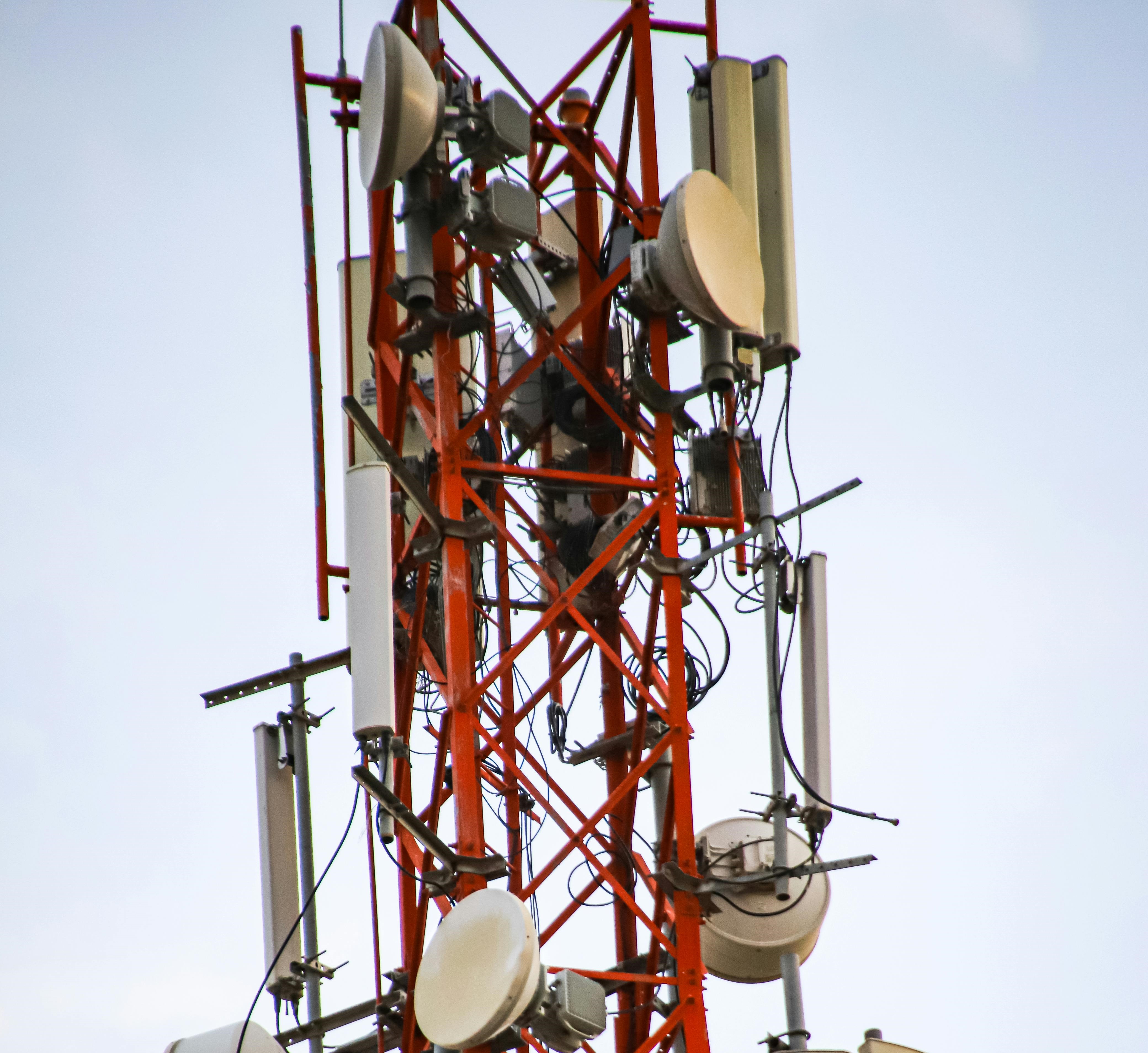
As the Starlink Low Orbit Upgrades 2026 enhance performance across Kenya, many users will naturally compare satellite broadband with traditional internet options. The key alternatives remain fiber optic networks and mobile broadband (4G/5G).
Powered by the expanding constellation of Starlink from SpaceX, satellite connectivity is no longer just a rural backup solution. With improved speeds, reduced latency, and better congestion handling, it is increasingly competing with terrestrial infrastructure.
Here’s how they compare.
10.1 Comparison with Fiber Internet
Fiber optic internet has long been considered the gold standard for speed and stability — especially in major urban centers.
Strengths of Fiber:
-
Extremely high download and upload speeds
-
Very low latency
-
Stable performance in well-served urban areas
-
Ideal for enterprise-grade data usage
Limitations of Fiber:
-
Limited availability outside cities
-
Installation delays in new developments
-
Vulnerable to physical cable damage
-
Dependent on local infrastructure expansion
Where Starlink Competes:
With the 2026 upgrades, satellite broadband offers:
-
Comparable latency for most real-time applications
-
High-speed performance suitable for streaming and cloud systems
-
Immediate availability in areas without fiber
-
Independence from ground cable infrastructure
Best Use Case Comparison
| Scenario | Fiber | Starlink |
|---|---|---|
| Dense Urban Business | Excellent | Strong backup / alternative |
| Rural Home | Rarely Available | Ideal |
| Temporary Site | Limited | Excellent |
| Redundancy Setup | Needs second provider | Independent network |
Fiber remains the best option where it is reliably available and stable. However, Starlink becomes the superior option in underserved regions or where infrastructure reliability is inconsistent.
10.2 Comparison with 4G and 5G Networks
Mobile broadband (4G/5G) is widespread in Kenya and often serves as the primary internet source for many households.
Strengths of 4G/5G:
-
Easy setup (SIM-based)
-
Portable connectivity
-
Wide urban coverage
-
No installation equipment required
Limitations:
-
Network congestion during peak hours
-
Speed fluctuations based on tower load
-
Signal variability in remote areas
-
Data caps on many plans
Where Starlink Excels:
-
Dedicated connection not shared with nearby tower users
-
More stable performance during evening peaks
-
Strong rural performance
-
Higher bandwidth capacity for multi-device households
In high-density urban areas, 4G and 5G speeds may fluctuate significantly depending on tower congestion. Satellite density improvements in 2026 reduce similar congestion risks by distributing load across multiple satellites.
For businesses and households with heavy usage demands, satellite broadband often delivers more predictable performance compared to mobile networks.
10.3 Which Option Is Best for Different Use Cases?
There is no universal “best” internet option — it depends on location, budget, and usage needs.
Rural Areas
Best Option: Starlink
Reason: Limited fiber, inconsistent mobile performance, need for stable broadband.
Urban Households
Best Option: Fiber (if reliable) or Starlink as backup
Reason: Fiber provides strong speed; satellite offers redundancy.
SMEs & E-Commerce Businesses
Best Option: Fiber + Starlink redundancy
Reason: Business continuity requires failover protection.
Remote Schools & Clinics
Best Option: Starlink
Reason: Immediate deployment without infrastructure expansion.
Mobile Professionals & Temporary Sites
Best Option: 4G/5G for mobility; Starlink for stable fixed operations.
Strategic Perspective for Kenya in 2026
The internet landscape in Kenya is no longer limited to a single infrastructure model. Instead, it is becoming multi-layered:
-
Fiber dominates high-density urban cores.
-
Mobile broadband provides flexibility and portability.
-
Satellite broadband fills coverage gaps and adds redundancy.
The Starlink Low Orbit Upgrades 2026 strengthen satellite broadband’s competitiveness by:
-
Improving latency consistency
-
Increasing bandwidth capacity
-
Reducing congestion
-
Enhancing weather resilience
Rather than replacing other technologies, satellite broadband complements them — creating a more resilient national connectivity ecosystem.
11. Future of Satellite Internet in Kenya Beyond 2026

As the Starlink Low Orbit Upgrades 2026 strengthen performance across Kenya, the bigger question becomes: What comes next? Satellite internet is not standing still. It is evolving into a more intelligent, scalable, and integrated part of global digital infrastructure.
Driven by the long-term strategy of SpaceX and its expanding Starlink constellation, the future of satellite broadband in Kenya extends well beyond speed improvements. It involves continuous satellite deployment, AI-powered optimization, and evolving service models that could reshape affordability and accessibility.
Here’s what the next phase may look like.
11.1 Continued Satellite Deployment Plans
The foundation of Starlink’s performance lies in constellation density. The more satellites in orbit, the stronger and more stable coverage becomes.
Beyond 2026, continued deployment is expected to focus on:
Higher Orbital Density
Additional satellites in multiple orbital shells improve redundancy and reduce congestion.
Next-Generation Satellite Versions
Future satellite models may carry more powerful onboard processors, higher bandwidth capabilities, and improved laser communication systems.
Enhanced Global Coverage Layers
Layered orbital configurations allow better coverage angles and more seamless handoffs.
For Kenya, continued deployment means:
-
Greater performance consistency nationwide
-
Stronger support for growing digital demand
-
Increased capacity for enterprise-level applications
As digital consumption increases — from streaming to cloud computing and AI-driven platforms — sustained satellite launches ensure capacity keeps pace with national growth.
11.2 Integration with AI Network Management
Artificial Intelligence is becoming central to modern network optimization. Beyond basic traffic routing, future satellite networks may rely heavily on predictive and adaptive AI systems.
Potential developments include:
Predictive Congestion Management
AI systems can forecast demand spikes based on historical patterns and adjust routing before congestion occurs.
Dynamic Spectrum Allocation
Bandwidth can be allocated in real time based on user density and usage type.
Autonomous Network Healing
If a satellite experiences technical issues, AI can reroute traffic instantly without human intervention.
User-Level Optimization
Future systems may personalize performance based on application needs — prioritizing video calls, financial transactions, or cloud services automatically.
For Kenya’s growing digital economy, AI-managed networks mean more stable and efficient performance — even as user demand scales rapidly.
As satellite systems become smarter, they evolve from static infrastructure into adaptive digital ecosystems.
11.3 Potential Price and Service Model Evolution
As deployment scales and technology matures, service models often evolve.
Possible future developments include:
Tiered Performance Plans
Different speed or priority tiers for residential, business, and enterprise users.
Flexible Data Packages
Customized plans for specific industries such as agriculture, education, or hospitality.
Regional Pricing Optimization
Pricing structures adjusted to reflect local economic conditions and demand patterns.
Integrated Backup Solutions
Bundled services that combine satellite with terrestrial connectivity for redundancy.
As satellite capacity increases, economies of scale may influence affordability. Over time, greater network density and operational efficiency can help stabilize or improve pricing structures.
For Kenya, service evolution could mean broader accessibility across income levels — accelerating digital inclusion nationwide.
The Long-Term Outlook for Kenya
The future of satellite internet in Kenya is not just about connectivity — it is about national transformation.
Continued deployment ensures coverage expands alongside demand. AI integration enhances stability and efficiency. Service model evolution improves accessibility and flexibility.
Together, these trends position satellite broadband as a long-term pillar of Kenya’s digital infrastructure — supporting businesses, institutions, entrepreneurs, and rural communities alike.
12. Frequently Asked Questions About Starlink Low Orbit Upgrades 2026
As the Starlink Low Orbit Upgrades 2026 continue to attract attention across Kenya, many users are seeking clarity on what these improvements mean for their homes, businesses, and institutions. Below are the most common questions — clearly structured and answered.
12.1 Will the 2026 upgrades automatically apply to existing users?
In most cases, yes.
The majority of the improvements are happening within the Starlink constellation operated by SpaceX. These include increased satellite density, smarter AI-based routing, and improved congestion management.
Because the upgrades occur at the network level, most existing users will benefit automatically without needing to replace their equipment. Firmware updates may be delivered seamlessly in the background, but hardware replacement is typically optional rather than mandatory.
12.2 Will speeds increase immediately after deployment?
Performance improvements are generally gradual rather than instant.
As additional satellites are deployed and orbital density increases:
-
Bandwidth capacity expands
-
Congestion reduces progressively
-
Routing efficiency improves
Users in areas previously affected by peak-hour congestion may notice clearer improvements first. However, overall gains depend on location, local demand, and installation quality. Most users experience steady performance enhancement over time rather than a sudden speed jump.
12.3 Is Starlink available nationwide in Kenya?
Satellite broadband is structured to provide nationwide coverage, provided users have:
-
A clear and unobstructed view of the sky
-
Proper installation
-
Available service capacity in their region
Unlike fiber networks, which rely on physical cable infrastructure, satellite internet can reach remote counties, coastal zones, and northern regions without trenching or tower construction. Availability may depend on rollout phases and regional capacity, but coverage is designed to extend across Kenya.
12.4 Does the upgrade affect subscription pricing?
The 2026 upgrades focus primarily on network performance rather than automatic pricing changes.
Subscription pricing is influenced by factors such as:
-
Infrastructure investments
-
Regulatory frameworks
-
Operational costs
-
Market demand
While improved performance enhances value for subscribers, the upgrades themselves do not automatically result in pricing adjustments. Any future pricing evolution would likely reflect broader strategic decisions rather than the satellite upgrades alone.
Kenya’s Digital Leap Forward with Starlink 2026
The Starlink Low Orbit Upgrades 2026 represent more than just technical improvements — they signal a major step forward in Kenya’s digital infrastructure. Faster speeds, lower latency, and improved network density will empower businesses, schools, and households to operate without the traditional limitations of connectivity.
For rural communities, these upgrades could mean equal access to digital services previously concentrated in major cities. For urban users, they offer a powerful backup or primary connection capable of handling demanding online workloads without congestion.
As Kenya continues embracing digital transformation, staying informed about network upgrades is essential. To explore availability, installation guidance, and the latest packages, visit starlinkkenya and discover how next-generation low orbit satellite technology can power your connectivity into 2026 and beyond.
